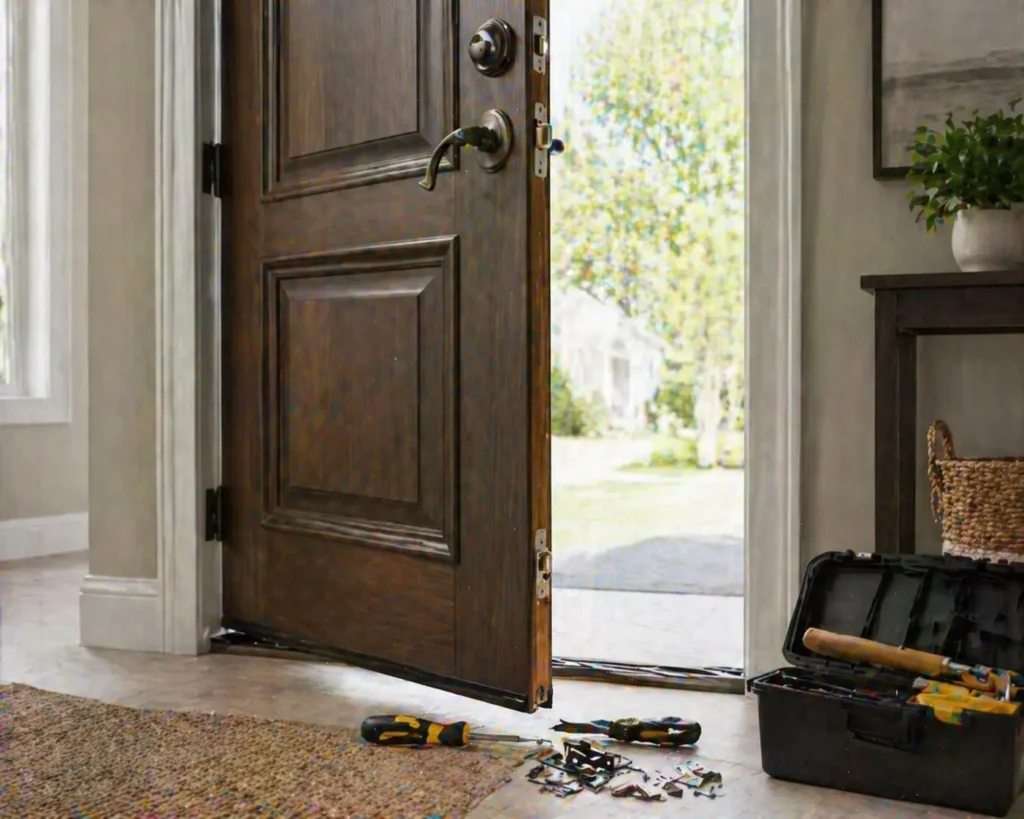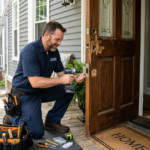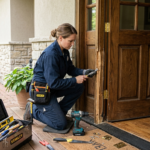
The most frequent question we hear from homeowners across Toronto and the GTA is whether their current front door can be salvaged, or whether it is finally time to invest in a new entry system. Your front entryway is the primary barrier against the elements and the first line of security for your property. When that door starts dragging on the threshold, letting in cold winter drafts, or showing obvious signs of age, ignoring it leads to higher energy bills and compromised safety.
Knowing the difference between a simple hardware adjustment and a failing structural system can save you significant time, money, and frustration. At Mr. Door Repair, we give practical, honest advice based on the actual physical condition of your entryway. This guide walks through the same checks our technicians use on a service call so you can make the right call for your home.
Clear Signs a Front Door Repair Will Suffice
Not every sticking or drafty door requires a complete and expensive overhaul. In many cases, minor operational issues stem from the hardware or the immediate framing rather than a failure of the door slab itself. If the frame is square and the slab is solid, a targeted repair almost always wins.
Drafts and Air Leaks
If you feel a persistent draft, the culprit is usually worn-out weatherstripping or a torn door sweep at the bottom threshold. Both are straightforward, cost-effective fixes that restore the seal without touching the door itself. Modern compression weatherstripping and an adjustable sweep can make a twenty-year-old door feel tight again.
Sagging, Binding, and Latching Problems
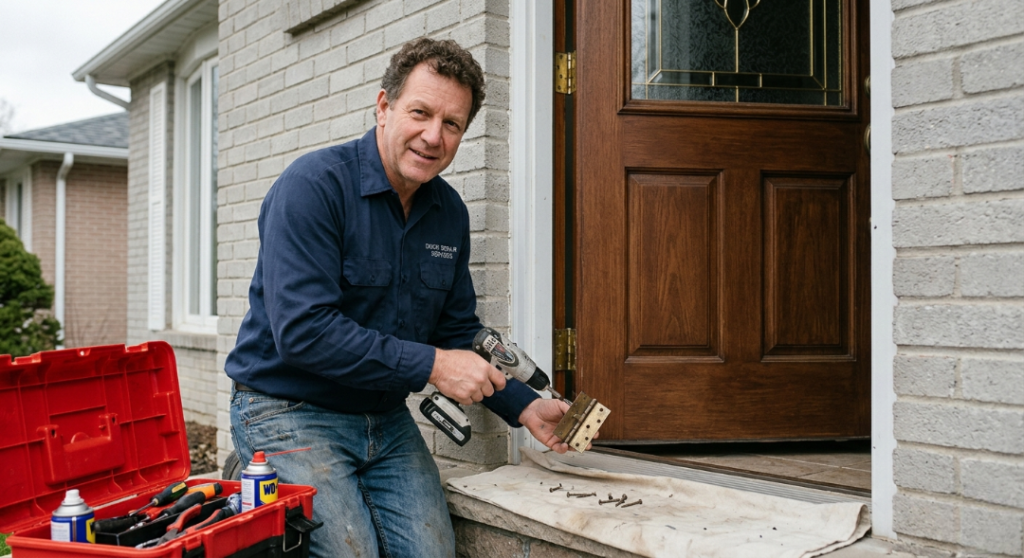
A door that binds against the jamb or sags unevenly in its frame usually suffers from loose hinges or a stripped hinge mortise. Our technicians reinforce the hinges with longer screws driven directly into the structural wall framing, then adjust the strike plate to restore a clean, secure latch. This is one of the most common and most satisfying repairs we do, and it is covered under our entry door repair service.
Minor Cosmetic Damage
Superficial surface scratches on a solid wood door, or small isolated dents in a steel exterior, can be filled, sanded, and refinished. The same goes for tired hardware: a new deadbolt, handle set, and kick plate can transform the look of a structurally sound door for a fraction of replacement cost. Our general door repair team handles these cosmetic and hardware upgrades every day.
Warning Signs That Demand a Full Door Replacement
While we take pride in saving a good door whenever possible, certain structural failures make a full replacement the only viable and safe option. These are the red flags we look for before recommending a new pre-hung unit.
- Wood rot: If the stiles and lower rails of a wooden door feel soft, spongy, or crumble to the touch, the structural integrity is compromised beyond reliable repair.
- Core delamination: On steel or fiberglass doors, the outer skin can separate from the inner insulating foam core. The door then loses both its mechanical strength and its thermal resistance.
- Severe warping or bowing: When the slab itself bows out of plumb, no amount of weatherstripping will seal the gap, leaving your home exposed to moisture and pests.
- A cracked or shifting frame: If the wooden jamb is deeply split or the frame has moved out of square, the door can never sit right, and the lock will never be as secure as it should be.
- Break-in damage: A door and frame that have been kicked or pried are often weakened around the lock area even when they look fine from the outside. See our guide on door frame repair for what can be reinforced and what cannot.
If you notice these issues, upgrading to a new pre-hung system through our entry door supply and installation service is the safest route. Not sure which material to choose? Our article on how to choose the right entry door compares wood, fiberglass, and steel in detail.
Energy Efficiency and Long-Term Value
When making your final decision, look past the upfront cost and consider the long-term energy performance of your home’s entryway. Older doors, especially solid wood models or early-generation hollow-core metal doors, have poor thermal insulation compared to modern fiberglass and polyurethane-insulated steel options.
If your furnace and air conditioner are constantly running to compensate for a drafty, poorly insulated entryway, a modern replacement door will eventually pay for itself through lower utility bills. Today’s entry systems come with internal thermal breaks, high-performance compression seals, and insulated low-E glass inserts that boost your home’s overall energy rating. Natural Resources Canada publishes guidance on ENERGY STAR certified doors and what the ratings mean for Canadian climates.
Continually paying for stop-gap repairs on a fundamentally inefficient door will cost you more over a few years than investing in a quality, energy-efficient replacement from the start.
How to Make the Right Call for Your Home
The final verdict comes down to the structural health of your current door and your long-term goals for security and curb appeal. A dependable rule of thumb we use in the field is to inspect the frame and the door slab independently of one another.
- Repair if the surrounding frame is square and solid, and the door simply needs upgraded security hardware, hinge work, or better perimeter sealing.
- Replace if the door feels hollow and flimsy when you push against it, has suffered extensive water damage, or poses a kick-in risk because of a weakened frame.
If you are still unsure what your situation calls for, browsing our home maintenance blog can help you identify common entryway hardware failures before they escalate into costly emergencies.
Frequently Asked Questions
How long should a front door last?
A well-maintained fiberglass or insulated steel door can last decades. Solid wood doors last just as long when they are protected by an overhang and refinished regularly, but they are far more vulnerable to rot and warping if the finish is neglected.
Can a drafty front door be fixed without replacing it?
Usually, yes. New weatherstripping, an adjustable door sweep, and a threshold adjustment solve most drafts. The exception is a warped slab or a frame that is out of square, where the gap changes along the edge and no seal can close it.
Is it worth repairing an old wooden front door?
If the wood is sound and the frame is solid, absolutely. Hinge reinforcement, refinishing, and modern hardware can give an old wood door many more years. If the lower rails are soft or crumbling, replacement is the better investment.
Does replacing the front door include the frame?
Most replacements use a pre-hung unit, which means the new door arrives already mounted in a new frame with the threshold and weatherstripping in place. This is the best way to guarantee a square, plumb, tightly sealed installation.
How much does front door replacement cost compared to repair?
Repairs such as hinge and strike plate adjustments or new weatherstripping cost a fraction of a new door. A full pre-hung replacement is a larger investment, but it comes with energy savings and a stronger frame. We are always happy to quote both options after an on-site inspection.
Secure Your Home With Expert Door Solutions
Do not let a malfunctioning front door leave your home vulnerable to harsh weather and unwanted intruders. Whether you need a precision hinge adjustment, new high-security deadbolt hardware, or an energy-efficient fiberglass door installation, our technicians are ready to restore safety and curb appeal to your property. We serve homeowners in Toronto and across the GTA, from Mississauga and Vaughan to Markham and Oshawa.
Reach out to the team at Mr. Door Repair today to schedule an entryway assessment. We will help you confidently choose the most cost-effective, durable, and secure solution for your home.